The Ford Ranger has become Australia’s best-selling vehicle by a considerable margin, and the aftermarket industry that has grown up around it reflects that dominance.
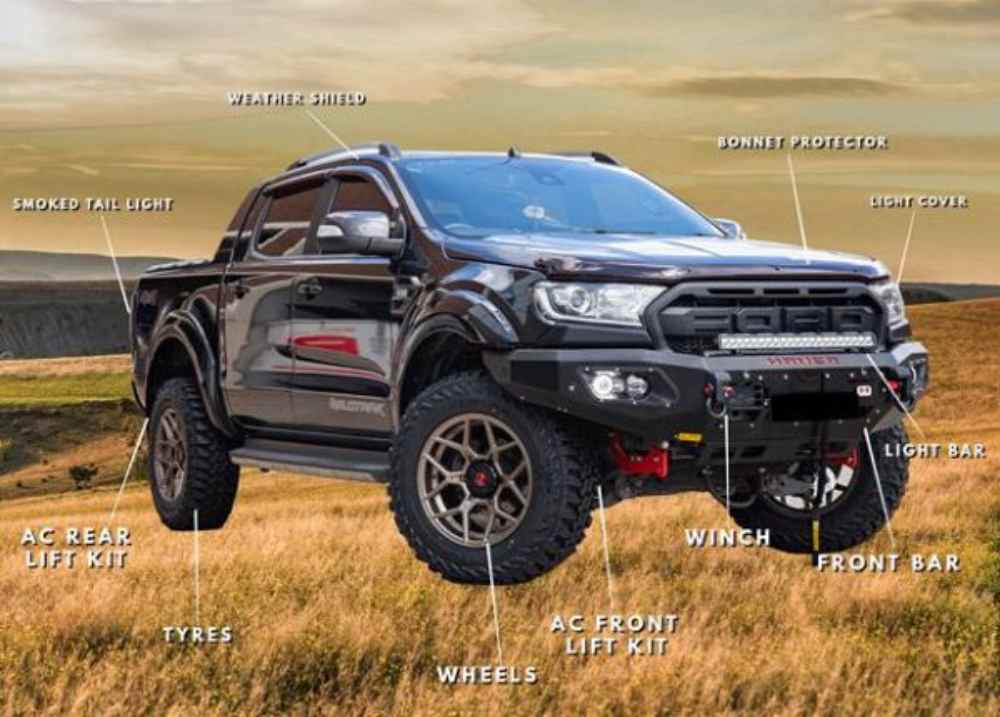
Whether the starting point is a base XL intended for trade use, a mid-spec XLS for suburban families, or a top-of-the-line Wildtrak destined for weekends away, the platform’s inherent capability and its well-documented compatibility with aftermarket components makes the Ranger one of the most rewarding vehicles to build up in Australia. The question is not whether to modify, but which modifications to prioritise and in what order.
Starting the Build: What to Do First
Every experienced Ranger builder will tell you the same thing: plan the build before spending money, because the order of modifications affects both cost and outcome significantly.
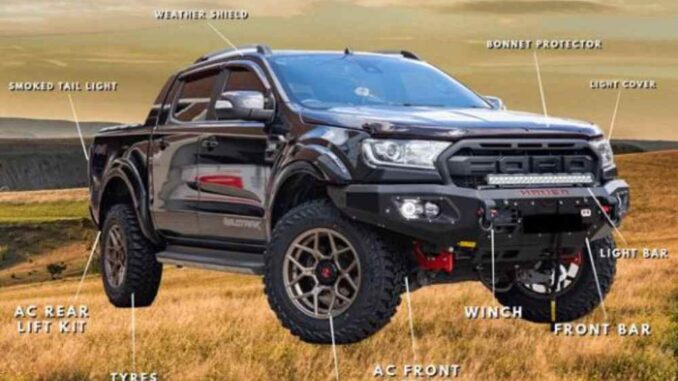
Suspension is the foundation of any serious build, and it is the modification that most affects what becomes possible downstream. A quality suspension lift opens up tyre size options, improves articulation and approach angles for off-road use, and transforms the vehicle’s stance. For the current generation Ranger, a 2-inch lift using quality components from reputable brands provides a meaningful capability improvement while remaining within a compliance-friendly range for most states. Going beyond 2 inches on the current platform typically requires engineering certification, which adds cost and time but enables significantly more aggressive setups.
Tyres are the single modification with the largest impact on how a Ranger actually performs. The factory tyres fitted to most Ranger variants are adequate road tyres, but they are not designed for serious all-terrain use. Moving to a quality all-terrain tyre in an appropriately sized fitment transforms traction on dirt, gravel, and wet road surfaces. For a 2-inch lifted Ranger, a 265/70R17 or 275/70R17 is a popular choice that provides genuine all-terrain capability without requiring guard modifications on most variants.
A bullbar is one of the first visible accessories most Ranger owners add, and its function goes well beyond aesthetics. A quality steel or alloy bullbar provides meaningful protection for the vehicle’s front end in animal strike situations, which is a genuine risk across much of rural and regional Australia. It also provides mounting points for additional lighting, a winch, and recovery equipment, making it a platform for the rest of the build rather than a standalone addition.
The Middle Layer: Practical Accessories That Add Real Capability
Once the platform is established with appropriate suspension, tyres, and front protection, a second tier of accessories builds out the Ranger’s practical capability.
Canopy or tub systems. The choice between a hardtop canopy, a sports bar with tonneau cover, or a flat rack depends on how the vehicle is actually used. For tradies and campers who need weatherproof secure storage, a matching hardtop canopy is the most functional choice. For those who want to carry large or awkward loads, a tray and flat rack system offers more versatility.
Drawer and storage systems. For campers and adventure travellers, a well-designed drawer system in the tub transforms the Ranger’s storage capacity. Integrated fridge slides, dual battery systems, and water storage solutions can be built into a drawer package that keeps the tub organised and accessible while protecting gear from theft and weather.
Recovery gear and lighting. Any Ranger used seriously off-road should carry a rated recovery track set, a snatch block, tree trunk protectors, and appropriate shackles. Roof-mounted LED light bars and driving lights significantly extend the safe operating range after dark, particularly on unsealed roads where wildlife presents the most serious risk.
The team at ford ranger build at AutoCraze has documented comprehensive build guides for the current generation Ranger, drawing on hands-on experience across a range of configurations. A brand representative noted: “The Ranger has the aftermarket ecosystem of a platform that has been popular for decades, even though the current generation is still relatively new. That means buyers can find well-proven components for almost any build direction they want to take.”
Paint Protection and Interior Prep
A build that focuses only on mechanical and accessory upgrades and neglects paint and interior protection is one that will show its age earlier than necessary.
Paint protection film applied to high-impact areas. Particularly the front bumper, leading edges of the bonnet, and the sills and wheel arches. Protects the factory finish from stone chip damage that is unavoidable on any ute used on unsealed roads. Quality PPF is virtually invisible and can be removed without damaging the underlying paint.
Floor liners, seat covers, and weather-sealed cargo mats protect the interior. From the wear that accumulates quickly in a vehicle used for work and outdoor recreation. Quality rubber floor liners are one of the most cost-effective investments in maintaining interior condition over the vehicle’s life.
The Ford Ranger’s continued dominance of Australian sales charts reflects a sophisticated buyer base. And aftermarket adoption rates among Ranger owners are among the highest of any vehicle platform in the country.
An analysis of the Australian ute segment highlights how the Ranger’s combination of
- towing capacity,
- payload rating,
- and technology
- has attracted buyers who previously chose traditional passenger SUVs,
- expanding the platform’s customer base significantly.
Budgeting the Build Realistically
One of the most common mistakes in any ute build is underestimating total cost when individual accessories are priced in isolation. A
- suspension lift,
- quality tyres,
- a bullbar,
- canopy,
- a drawer system,
- and driving lights are each individually affordable for most ute owners.
- Combined, they represent a significant investment that benefits from planning and staging over time.
Building in a logical sequence, starting with modifications that unlock the most downstream capability and adding accessories as budget allows. Produces a better outcome than attempting everything at once. The Ranger’s robust platform means a partially built vehicle remains fully functional and safe at every stage. Making the staged approach practically convenient rather than just financially so.
The current Ford Ranger is genuinely one of the best platforms available. For building a capable, practical, and visually impressive dual-purpose vehicle in Australia.